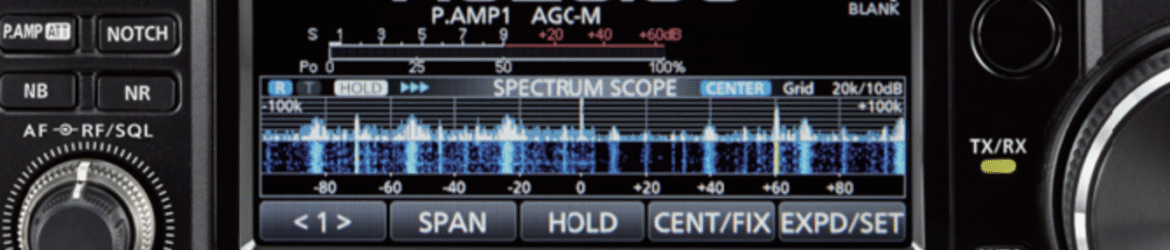
Amateur radio, often known as “ham radio,” is a unique blend of a technical hobby, a vital community service, and a lifelong learning pursuit. Licensed operators build skills in communication technology, emergency preparedness, and global citizenship, all while contributing significantly to society.
How Amateur Radio Serves the Community
The most visible community service aspect of amateur radio is its unparalleled ability to provide reliable communication during times of crisis when conventional infrastructure fails.
Emergency Communications and Disaster Relief
When earthquakes, hurricanes, floods, or power outages disable cellular networks, landlines, and the internet, licensed amateurs step in to bridge the communications gap. They operate independent networks that can function entirely off-grid.
- Passing Vital Information: Amateurs relay critical information between emergency services, shelters, hospitals, and local government when no other means are available.
- Tactical Support: Groups like the Radio Amateurs Emergency Network (RAYNET-UK) coordinate volunteer operators to support emergency services during planned events and actual emergencies.
- Health and Welfare Traffic: During large-scale disasters, operators help facilitate “health and welfare” messages, connecting separated families and friends and confirming loved ones are safe.
Community Event Support
Beyond emergencies, amateur radio operators provide reliable communications support for thousands of community events annually. They offer logistical coordination for marathons, cycling races, scout jamborees, and parades, ensuring event organizers can safely manage participants along extensive routes.
How Amateur Radio Promotes Self-Learning
At its core, amateur radio is a technically inclined hobby that inherently encourages self-education and exploration across science, technology, engineering, and mathematics (STEM) fields.
Hands-On Technical Skills
The hobby is a practical laboratory for electronics and radio science. Operators engage in lifelong learning regarding:
- Electronics and Circuit Design: Many hams build their own radios, antennas, and accessories from scratch, learning soldering, circuit theory, and troubleshooting skills.
- Radio Propagation: Operators study how atmospheric conditions, sunspots, and geography affect radio waves, requiring an understanding of physics and geography to communicate effectively across continents.
- Digital Modes and Computing: Modern amateur radio embraces cutting-edge digital technology, including specialized software, digital signal processing (DSP), networking protocols, and satellite communications, blending traditional radio skills with modern computing knowledge.
Developing Global Understanding
Amateur radio is inherently international. Communicating with someone in Japan, Brazil, or the International Space Station fosters an appreciation for different cultures and global geography. The pursuit of “DXing” (making contact with distant stations) encourages operators to learn basic phrases in other languages and understand time zones and call signs from around the world.
Mentorship and Skill Building
The UK’s Radio Society of Great Britain (RSGB) and its affiliated local clubs heavily emphasize training and mentorship. Experienced amateurs volunteer thousands of hours to teach newcomers the foundational knowledge needed to obtain their licenses (Foundation, Intermediate, and Full tiers), creating a cycle of continuous learning and knowledge transfer within the community.